SnoozoLearn

SCIENCE & NATURE · FREE FOR NOW

Snoozo and the Garden Detectives

Snoozo’s family investigates light with two labelled pots. Grandma and Grandpa help turn a confident guess into a careful comparison—and a better question.

स्नूज़ो और बगीचे के जासूस

Ages 9–12story~9 minNo guest sign-in needed
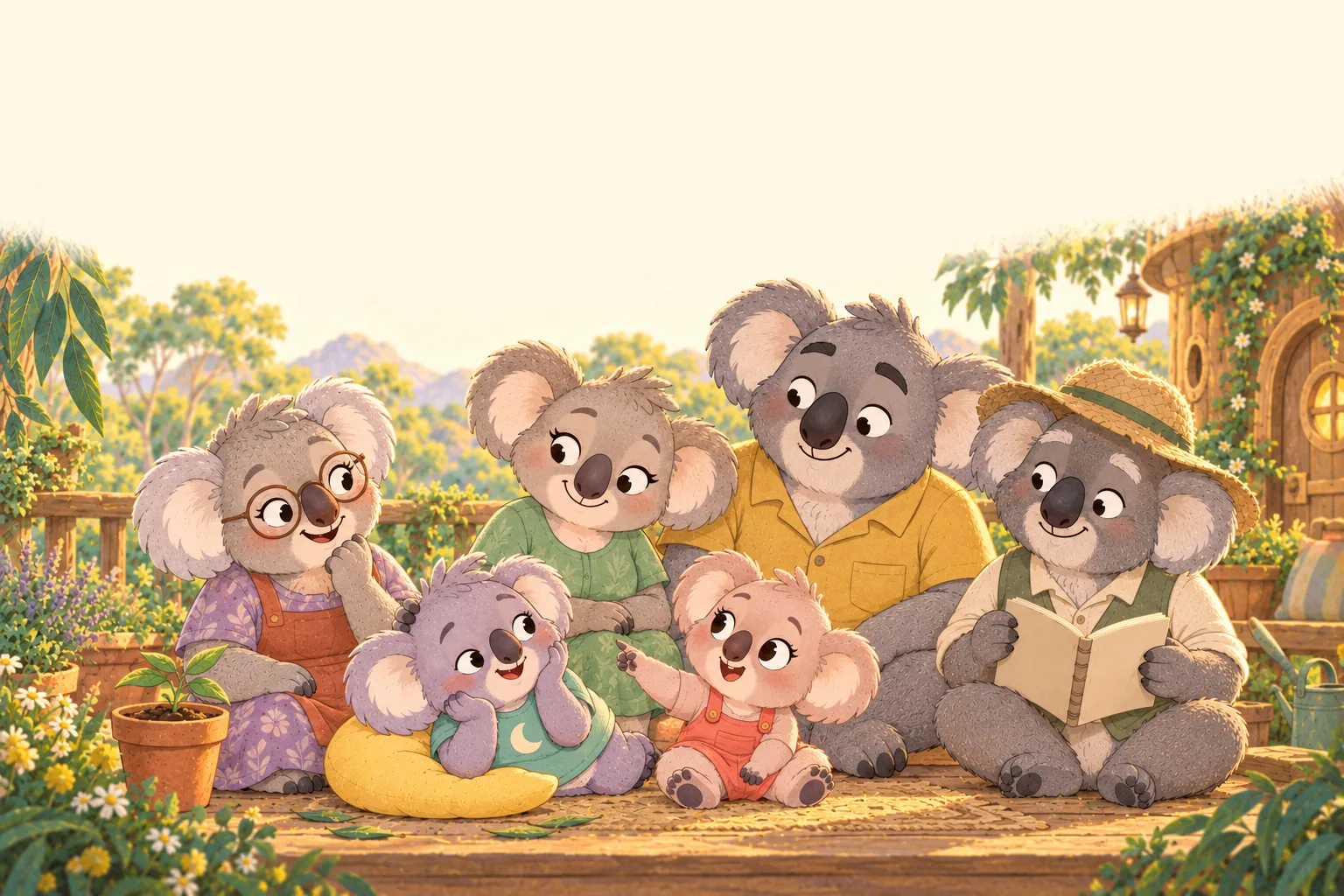
Snoozo rests on his moon cushion as Zippy asks a garden question and Grandpa opens a notebook with the family.

6 STORY PAGES · A PREVIEW TO READ TOGETHER

Step into the story

Page 1

Snoozo rests on his moon cushion as Zippy asks a garden question and Grandpa opens a notebook with the family.

“Does more light always make a taller plant?” asked Zippy. Snoozo lay on his moon cushion in Drowsy Jungle. “I grow excellent naps in shade.” Grandma Blossom smiled. “I’ve gardened for years, but I still have questions.” Grandpa Oak opened a notebook. Mum Fern and Dad Moss joined their new detective team.

Talk together: Make a prediction and explain it. What could the family observe besides height? Try “I predict… because…” A prediction is a starting idea to investigate.
Page 2

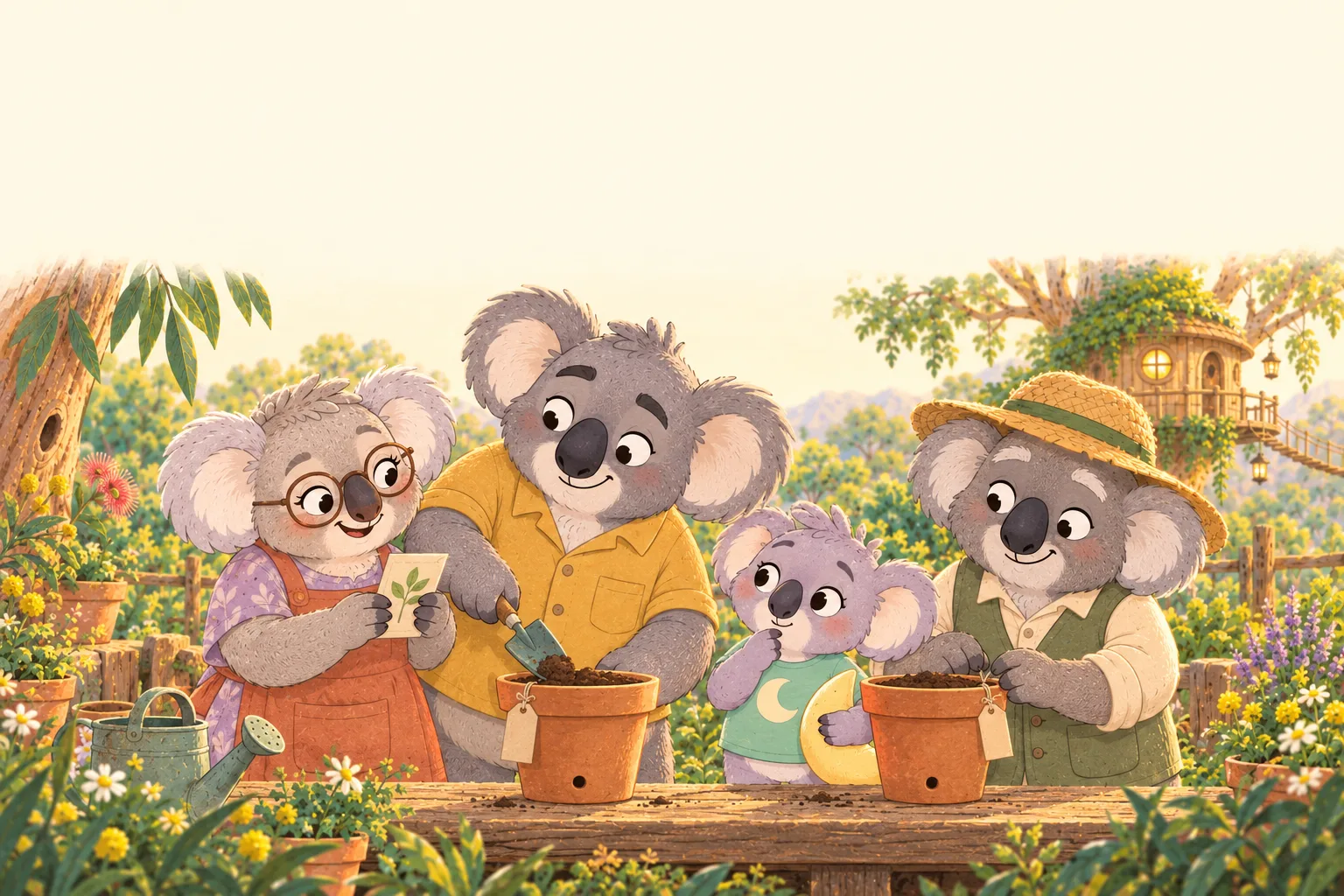
Dad prepares two matching pots while Grandma checks a seed packet and Grandpa adds separate tags.

They planned a comparison. Dad prepared two equal-size pots with drainage holes, equal amounts of the same soil and the same number of seeds from one bean packet. He followed the same planting depth. Grandpa labelled them A and B. “No mystery pots,” said Grandma. They began together in the same bright place.

Talk together: List what the family kept the same. Why do labels help? For real planting, a grown-up handles seeds and tools and follows the packet; seeds are not for tasting.

Page 3

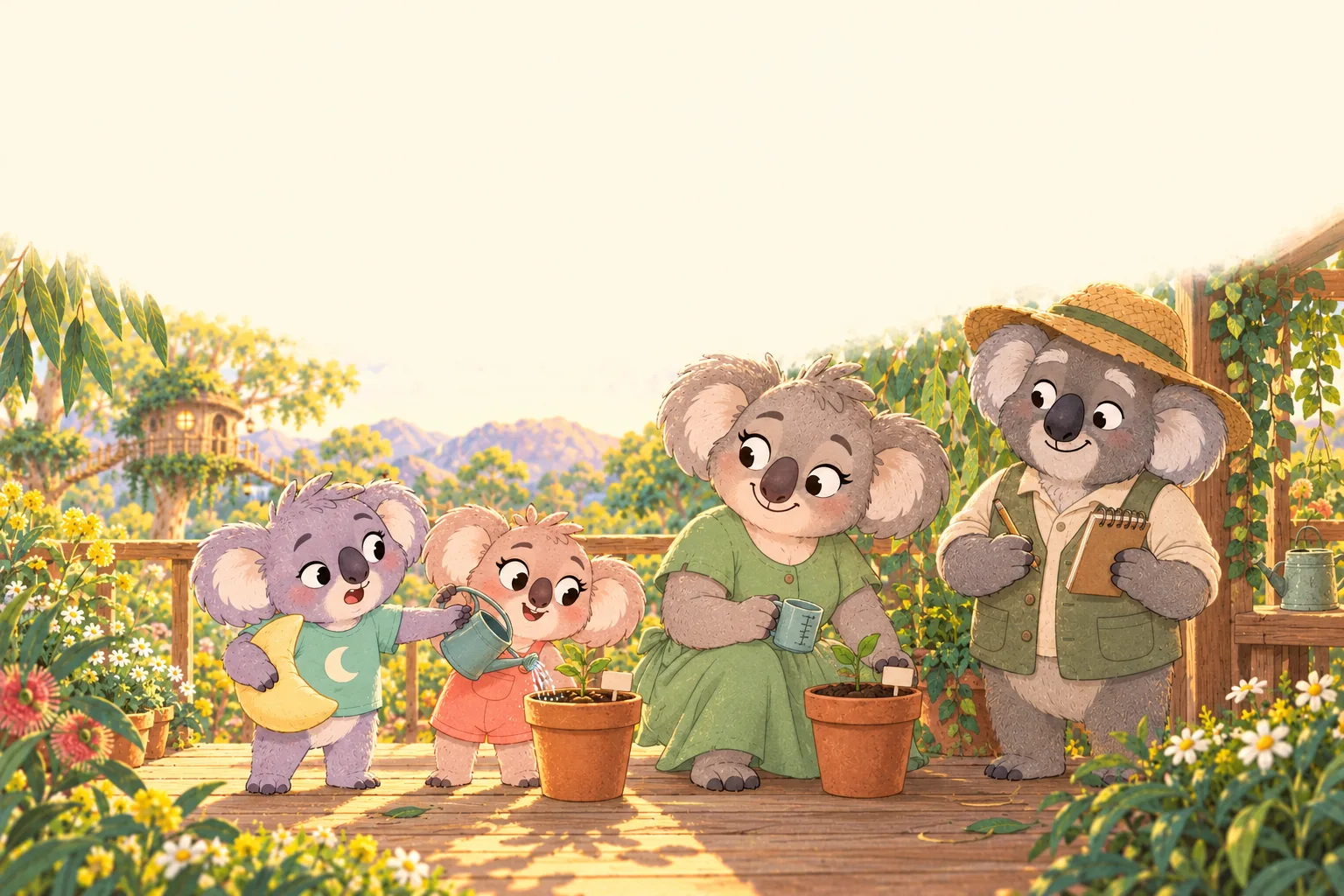
The family compares two similar bean seedlings in a bright spot and a shaded spot, with Mum measuring water.

Once similar seedlings appeared, they began a short light trial. Mum chose nearby porch spots with similar warmth: A in bright light, B under the roof with some daylight. Zippy reached for extra water for A. “Then we’d change two things,” said Snoozo. Mum measured the same water for each. She would stop the trial if either plant needed different care.

Talk together: What is the planned difference? Explain why adding extra water to only one pot would make the result harder to interpret. Plant care comes first if conditions stop being suitable.

Ages 9–12story~10 min

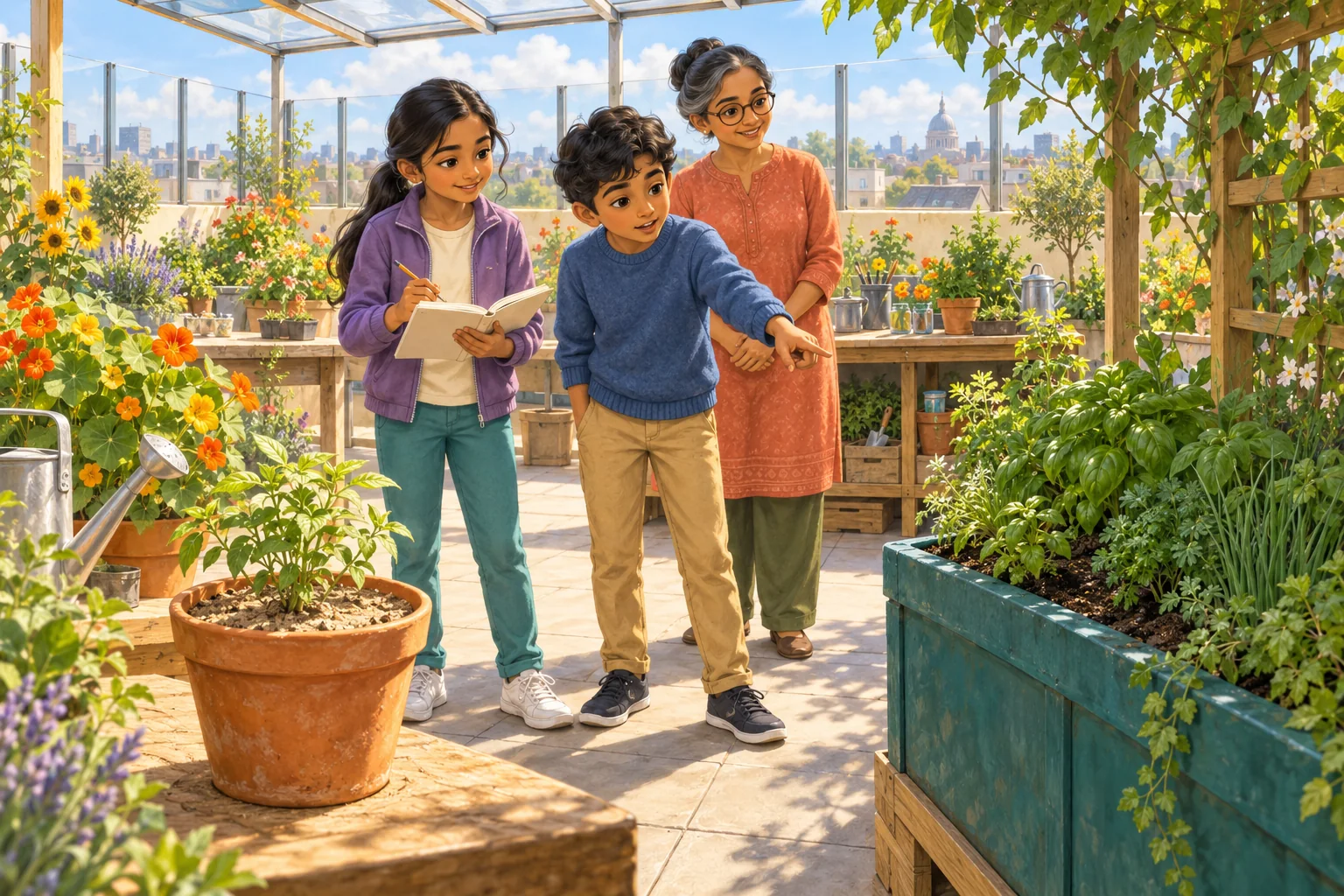
The Rooftop Water Mystery

Investigate a drying school garden with Mira and Dev. Spot an unfair comparison, design a better test and discover what the evidence can really tell you.

Practise: Plan a fair comparison & explain what the results support

waterevaporationfair testsmeasurement
Explore this story
Ages 9–12story~9 min

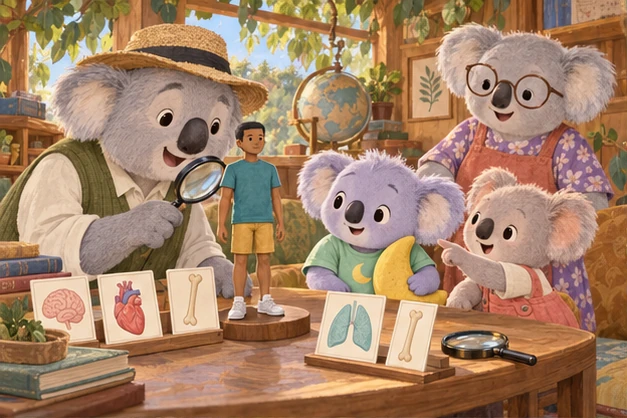
Snoozo and the Body Detectives

Switch the layers of a human body model and investigate bones, joints, tendons, skin layers and the teamwork of lungs, heart and brain.

Practise: Discover how parts of the body work together

human bodybody systemsbones
Explore this story
Ages 9–12story~10 min

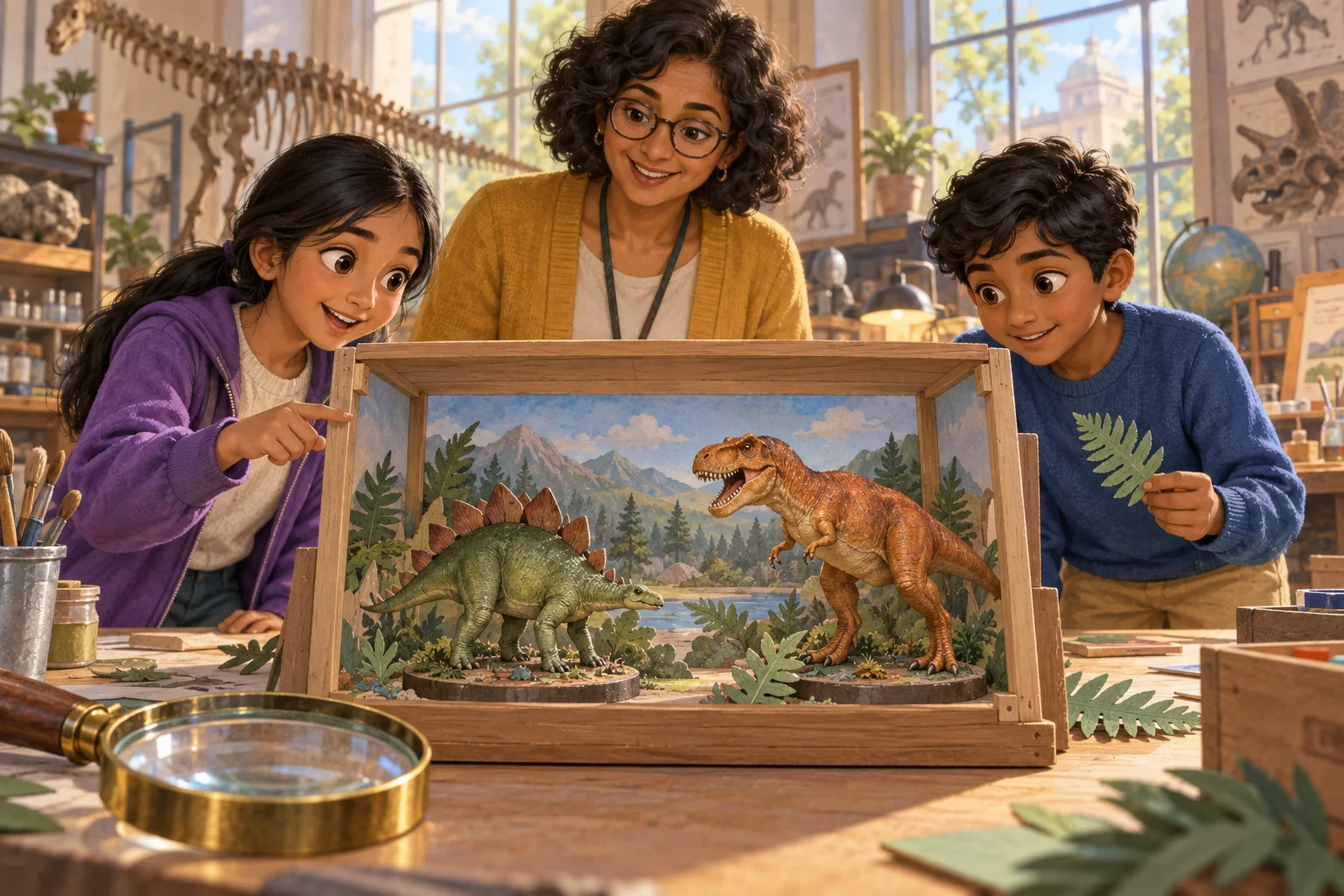
The Time-Window Mystery

Help Mira and Dev repair a museum model, separate evidence from imagination and discover why dinosaur time does not fit into one scene.

Practise: Compare dinosaur timelines & evaluate evidence

dinosaursreadingfossilstimelines
Explore this story

Before you start

Is Snoozo Learn free?

Yes. The current stories, learning games, activities and printable sampler are free to use. Snoozo Learn is free for now; no payment is needed to explore the current library.

Do we need an account?

No. You can start as a guest. Guest progress stays on the current device. An optional adult account with child profiles can save future practice across devices; guest progress is separate from those profiles.

Which languages are supported?

App navigation, core controls and family guidance support English, Hindi, Spanish, French, Portuguese, Arabic, Mandarin Chinese and Bengali. Stories, learning activities and narration are in English across the subjects. Extra Hindi text offers detailed meaning support. Recorded English narration is available for selected stories; Hindi narration is not available.

Which age range should we choose?

Start with ages 3–5, 6–8 or 9–12 according to your child’s interests and confidence. Age ranges are guides. Younger children need a grown-up to read prompts, and older English beginners can use adult reading help too.

Has the content been formally reviewed?

The learning content and translated family guidance are prototype drafts. Educator, native-language and real-child review are still pending. Snoozo Learn does not claim school-board accreditation or guaranteed learning outcomes.