SnoozoLearn

SCIENCE & NATURE · FREE FOR NOW

Pip and the Fossil Secret

Follow Pip, Tara and Kabir through a museum mystery. Explore six illustrated scenes, inspect fossil clues and learn why a good question matters.

पिप और जीवाश्म का रहस्य

Ages 6–8story~8 minNo guest sign-in needed
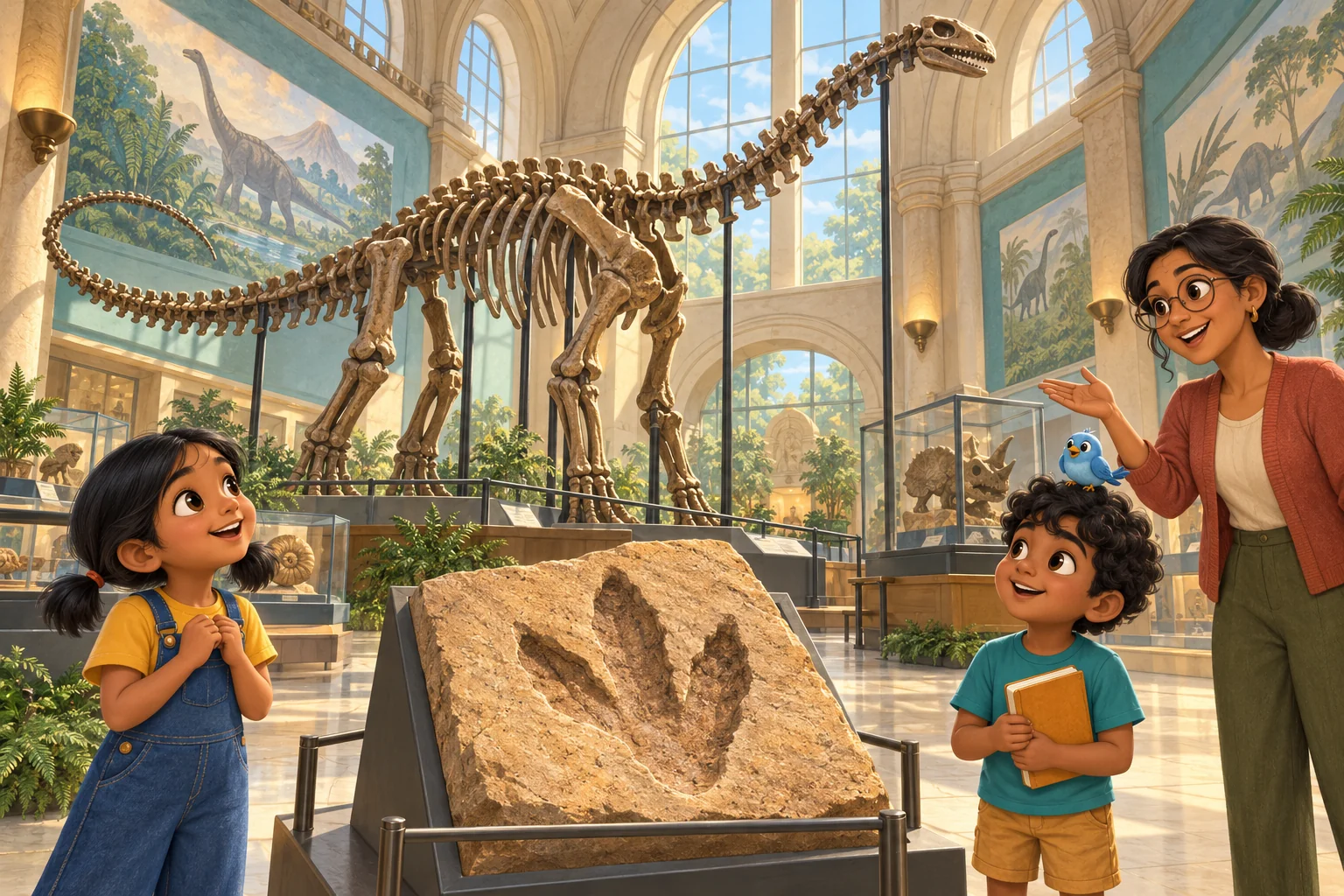
Tara and Kabir meet guide Meera in a museum fossil hall, beside a mounted long-necked dinosaur skeleton and a three-toed footprint preserved in stone.

6 STORY PAGES · A PREVIEW TO READ TOGETHER

Step into the story

Page 1

Tara and Kabir meet guide Meera in a museum fossil hall, beside a mounted long-necked dinosaur skeleton and a three-toed footprint preserved in stone.

Pip fluttered into the museum with Tara and Kabir. Beneath a towering skeleton lay a footprint preserved in stone. “Who stepped here?” asked Kabir. Their guide, Meera, smiled. “Let us look for evidence: clues we can observe.” Grown-up: read together whenever your child wants help.

Talk together: Say “fossil”. What would you like to find out about this footprint?
Page 2

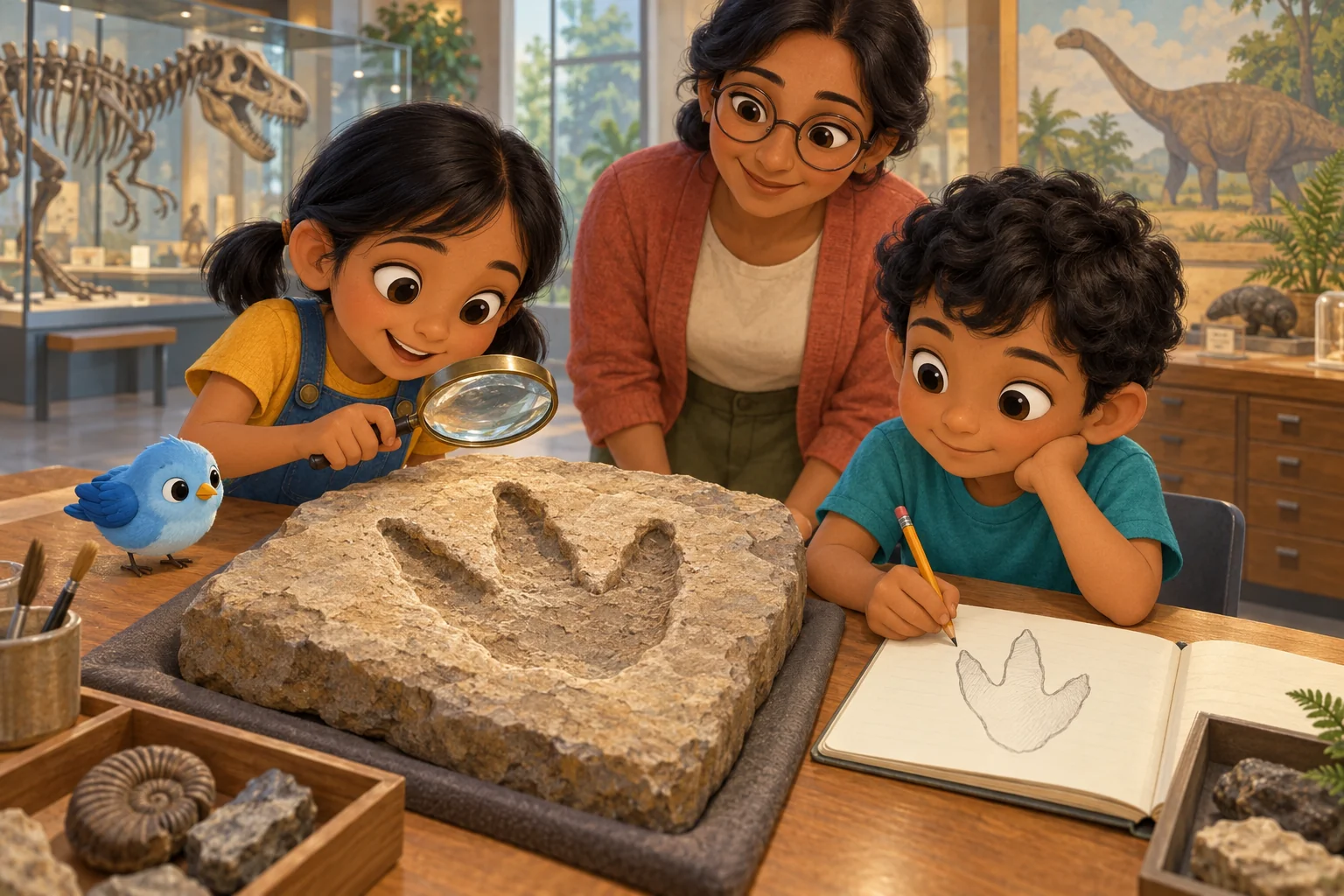
Tara examines the three-toed fossil footprint with a magnifying glass while Kabir sketches its shape and Meera looks on.

Tara counted three long toe marks. Kabir drew their shape. “Was it one special dinosaur?” he asked. “Several kinds made similar three-toed tracks,” said Meera. “This footprint alone cannot tell us the exact species.” Pip tilted his head. The mystery needed careful looking, not a quick guess.

Talk together: Say “I notice three toe marks.” Is noticing a shape the same as knowing its maker?

Page 3

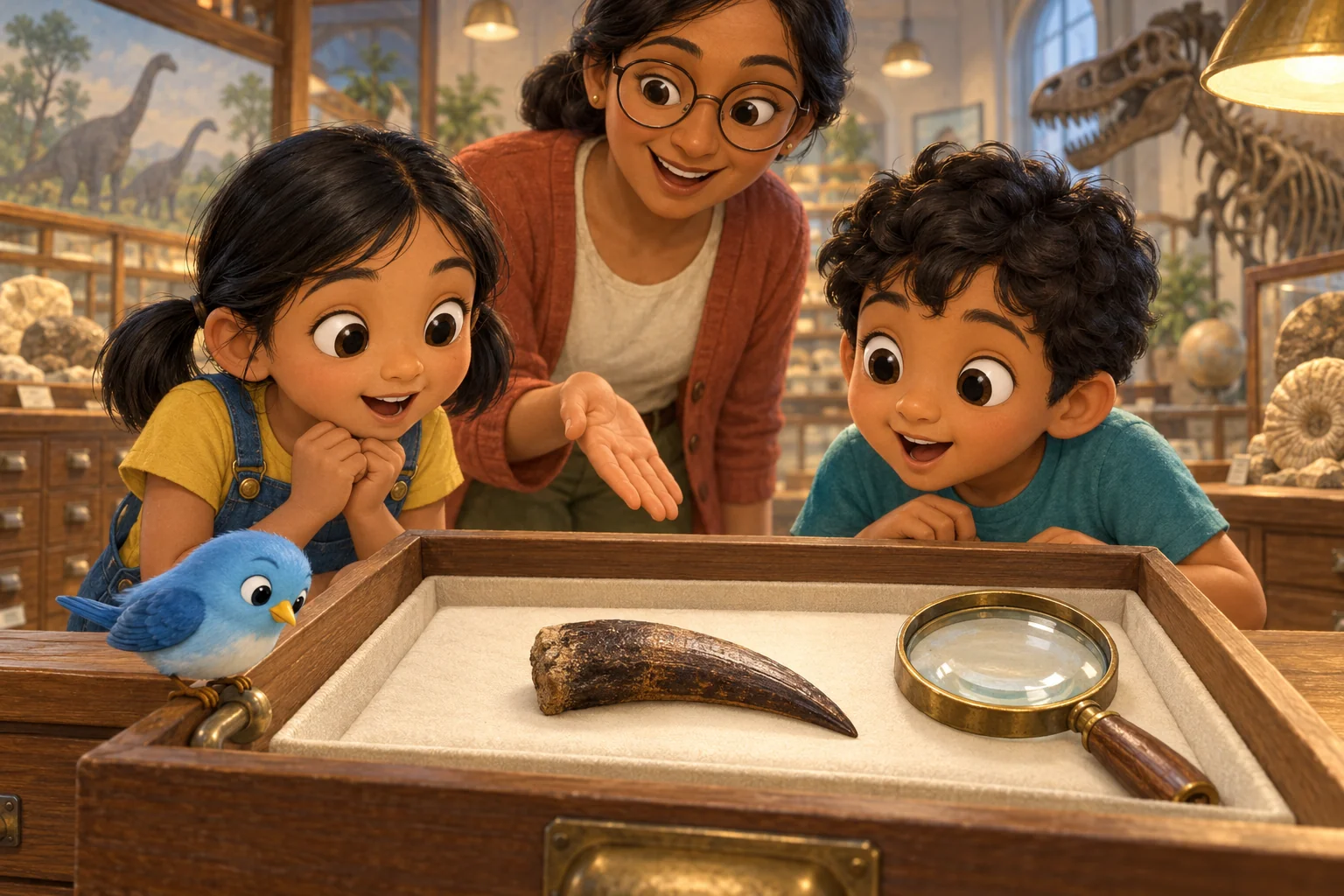
Meera shows the friends a curved fossil tooth resting in a padded museum drawer beside a magnifying glass.

Meera opened a padded drawer. Inside rested a curved fossil tooth. “Its shape may give clues about food,” she explained. “Did it belong to our footprint-maker?” Tara asked. “We do not know. These are separate finds.” Pip peered closer. Nearby in a museum did not mean together long ago!

Talk together: Say “tooth”. What would you ask before deciding that two fossils belong together?

Ages 6–8game~5 min

Fossil Friends

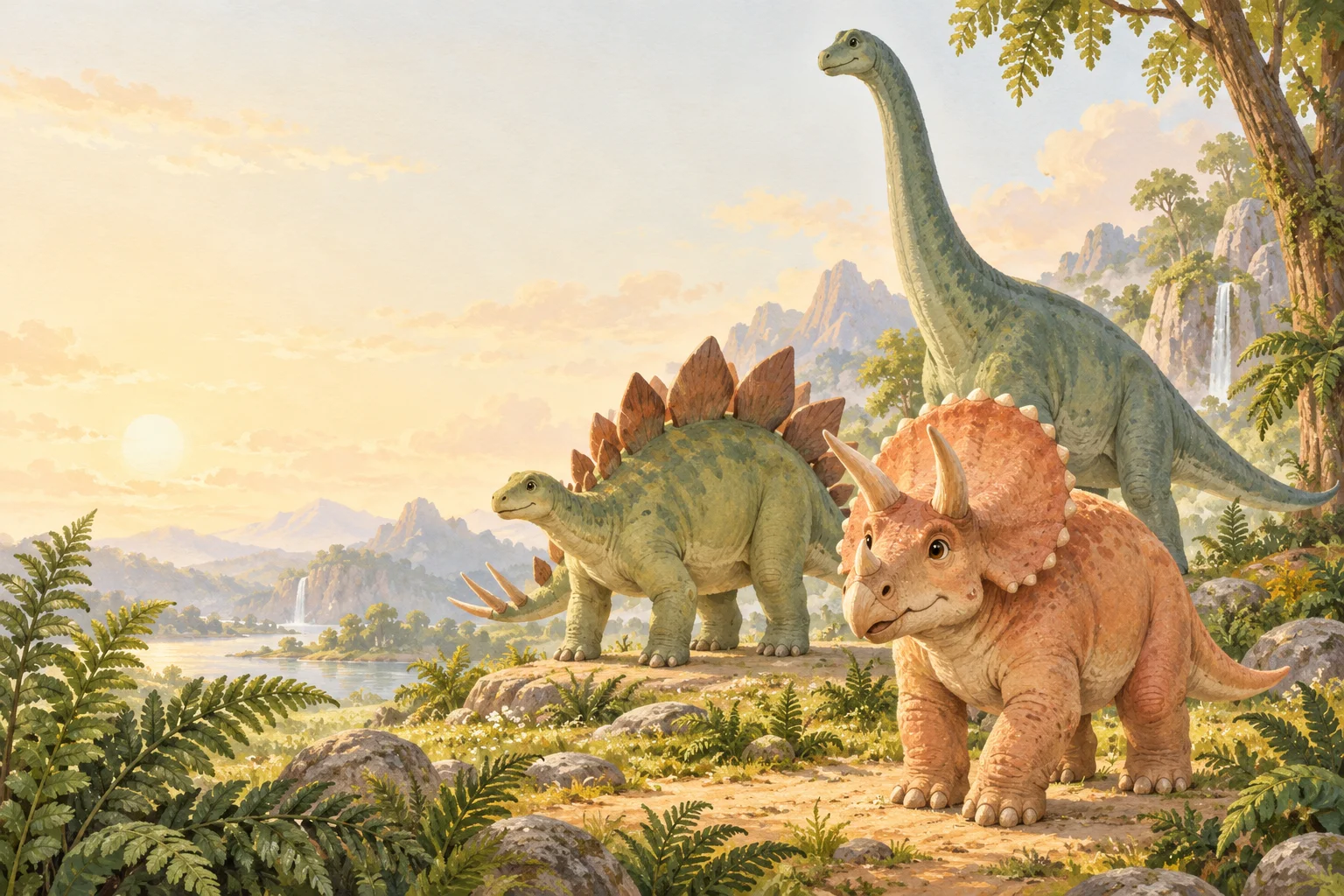
Sort dinosaur meals, follow a fossil story and read clues left in rock.

Practise: Diets, fossils & evidence

dinosaurs
Explore this game
Ages 6–8story~7 min

Pip’s Seed Surprise

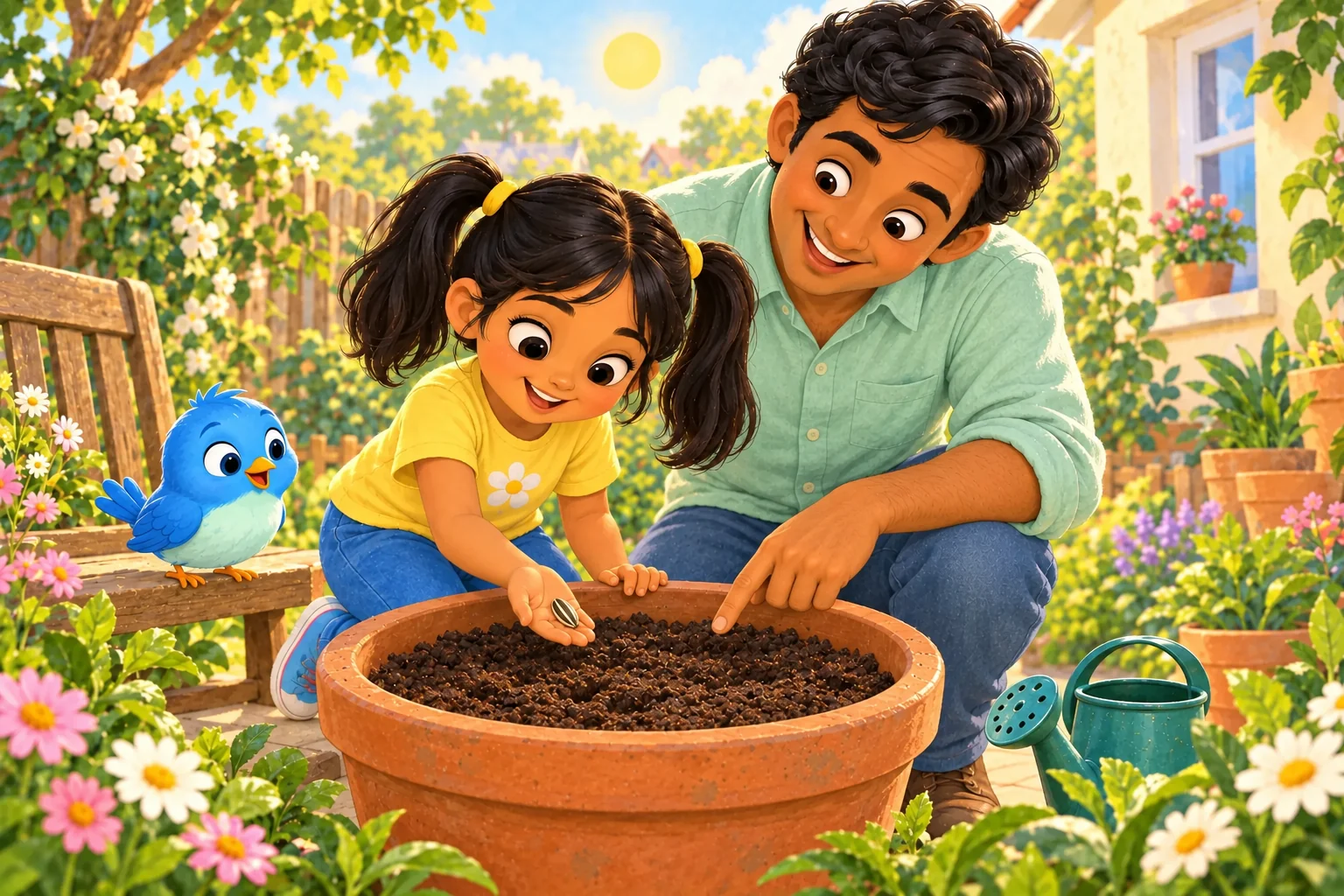
Plant a tiny seed with Pip, splash a little water and discover why growing takes patience.

Practise: Notice what a growing plant needs

gardeningplantsplant care
Explore this story
Ages 6–8story~7 min

Snoozo and the Thirsty Planter

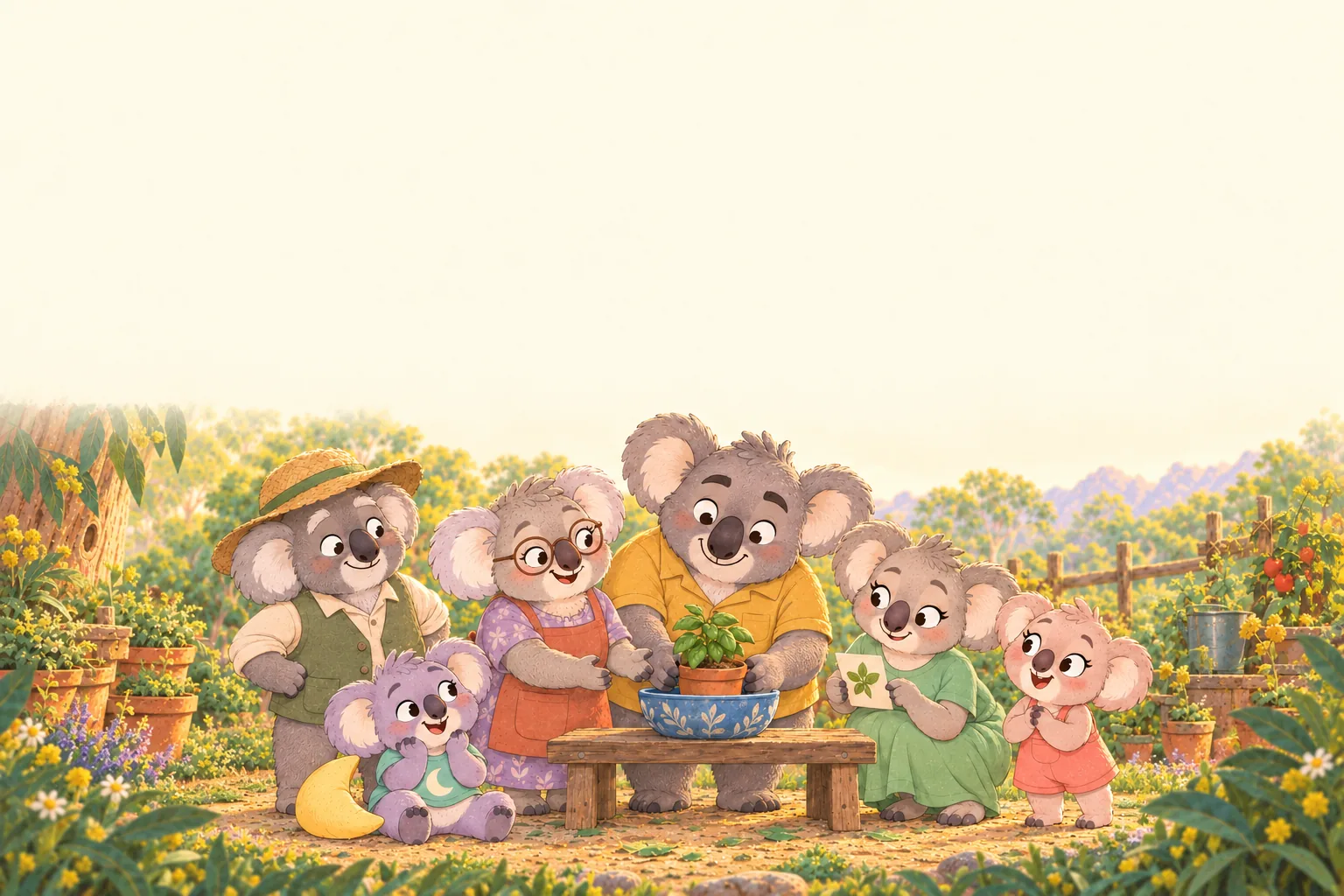
A puddle in a pretty planter sends Snoozo and his grandparents looking for clues. They learn about roots, drainage and checking before watering.

Practise: Notice what a growing plant needs

gardeningplantsplant care
Explore this story

Before you start

Is Snoozo Learn free?

Yes. The current stories, learning games, activities and printable sampler are free to use. Snoozo Learn is free for now; no payment is needed to explore the current library.

Do we need an account?

No. You can start as a guest. Guest progress stays on the current device. An optional adult account with child profiles can save future practice across devices; guest progress is separate from those profiles.

Which languages are supported?

App navigation, core controls and family guidance support English, Hindi, Spanish, French, Portuguese, Arabic, Mandarin Chinese and Bengali. Stories, learning activities and narration are in English across the subjects. Extra Hindi text offers detailed meaning support. Recorded English narration is available for selected stories; Hindi narration is not available.

Which age range should we choose?

Start with ages 3–5, 6–8 or 9–12 according to your child’s interests and confidence. Age ranges are guides. Younger children need a grown-up to read prompts, and older English beginners can use adult reading help too.

Has the content been formally reviewed?

The learning content and translated family guidance are prototype drafts. Educator, native-language and real-child review are still pending. Snoozo Learn does not claim school-board accreditation or guaranteed learning outcomes.